Natural Disasters & Environment
Natural disasters and changes in the environment—from the Krakatoa eruption to climate change—have profoundly shaped human history. Explore both the sudden and long-term impacts of natural and human-made disasters and phenomena.

Start Here

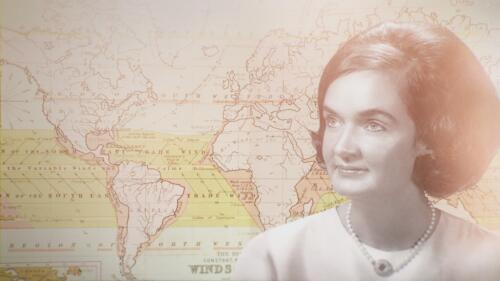
Carson's 1962 bestseller first warned the public about the devastating effects of chemical pesticides—and started a revolution.

These violent storms have had far-reaching consequences that altered the course of history in surprising ways.

Hurricane Katrina, and subsequent levee failures and flooding, led to widespread death and destruction in New Orleans and the Gulf Coast.

Railway tracks buckled, people slept in parks, hundreds died, while others tried to die as the heat and humidity became unbearable.
How a Camping Trip Created our National Parks
How a Camping Trip Created our National Parks
When John Muir and Teddy Roosevelt spent three nights in Yosemite, it would soon pave the way for a National Park Service.

3 Fires That Changed History


Explore All Related Topics

Hurricane Katrina was a powerful storm that made landfall on the Gulf Coast on August 29, 2005. The storm triggered catastrophic flooding, especially in New Orleans, and caused at least 1,200 deaths.

Americans have long relied on the sturdy oak tree.

The phrase has nothing to do with panting pooches.

Millions of children pack their bags each year and head to camps ranging from the rustic to the super-luxurious. But it was not always so.

In the summer of 1816, the Northern Hemisphere was plagued by a weather disruption of seemingly biblical proportions. Following a relatively ordinary early spring, temperatures in the eastern United States plunged back below freezing, and communities from New England to Virginia experienced heavy snowfalls and crop-killing frost during June, July and August. Europe also found […]

The summer solstice falls in June in the Northern Hemisphere. The longest day of the year has inspired celebrations for millennia.

Feeling the heat? See if you're living in one of the historically steamiest states in the country.

They've eaten practically every mammal in sight—and have no natural predators.

Lethal air, contaminated land, cancer epidemics—and coverups. These nuclear accidents were catastrophic.

The often fatal virus is believed to have spread from infected animals, likely bats.

The 1980 Mount St. Helens eruption wrecked landscapes and human life, but left lessons in its wake.
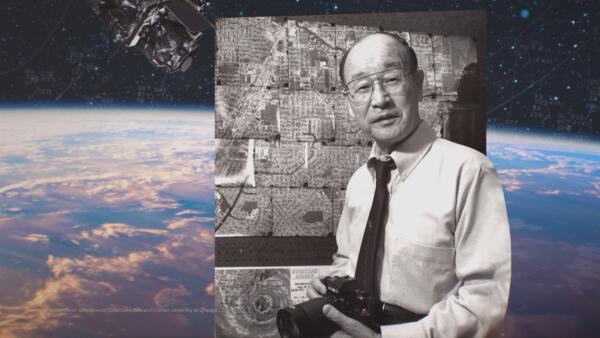
The Man Who Classified Tornadoes
In 1971, meteorologist Tetsuya Fujita created the Fujita Scale, which allowed scientists to categorize tornadoes, aiding in predictive weather patterns. Fujita revolutionized the understanding of thunderstorms, tornadoes, hurricanes and typhoons.

Carson's 1962 bestseller first warned the public about the devastating effects of chemical pesticides—and started a revolution.

The tsunami was the deadliest in recorded history, taking 230,000 lives in a matter of hours.

It killed 100,000 people in the direct impact. But it led to tens of millions more deaths later.

These wildfires wrought extreme devastation as they roared through neighborhoods and lands in the U.S.