U.S. Presidents
America’s Founding Fathers decided that one elected civilian—the U.S. president—would lead the executive branch of the federal government, a structure that has remained in place for nearly 250 years. Learn about U.S. presidents and presidential elections, from George Washington and Thomas Jefferson to John F. Kennedy and Donald Trump.
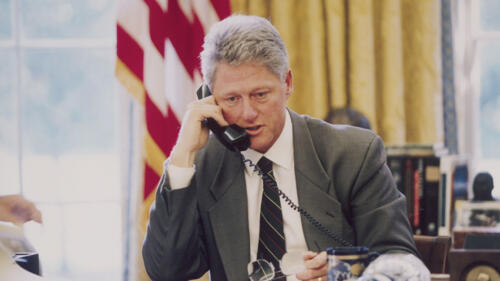

Start Here

Framers of the Constitution identified just three requirements. The 14th and 22nd Amendments added two more.

Over a span of six decades, the first 10 presidents of the United States helped define the role of the executive branch.

His privileged childhood on a Virginia plantation gave him access to a rich education. He fell in love with Enlightenment ideas.

From carefully staged speeches to radio to Twitter, U.S. presidents have always leveraged the cutting edge to connect directly with voters.
Presidential Advice
Advice from the Founding Fathers: George Washington
When George Washington was young, he copied down 101 rules of social behavior that would later become a book of his titled Rules of Civility & Decent Behavior in Company and Conversation.

3 Surprising Facts


Explore All Related Topics

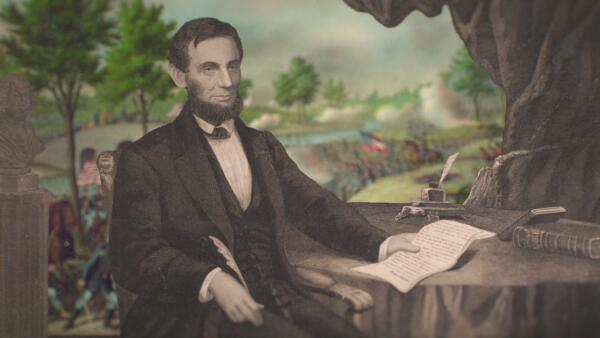
Both his biological mother and his stepmother helped set Abraham Lincoln on the pathway to the presidency.

Facts about President John. F. Kennedy's assassination in Dallas, Texas on November 22, 1963—and the investigation and conspiracy theories that followed.

Generations of Americans never saw any U.S. president on money.

Since 1979, the United States has technically been in constant states of emergency.

Mount Rushmore in South Dakota’s Black Hills National Forest, features four gigantic sculptures depicting the faces of U.S. Presidents George Washington, Thomas Jefferson, Abraham Lincoln and Theodore Roosevelt. While revered as an icon of Democracy by some, the land where the memorial was carved was taken from the Lakota Sioux by the US government.

While the history of presidential aviation dates back to 1910, Eisenhower was first to ride in the official presidential plane.

The 1970 postal strike brought the nation to its knees.
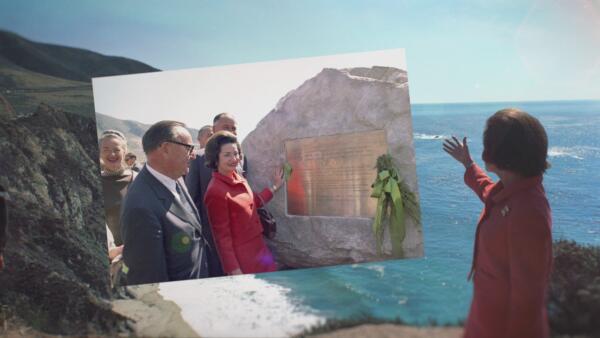

D-Day was a historic World War II invasion, but the events of June 6, 1944 encompassed much more than a key military victory.
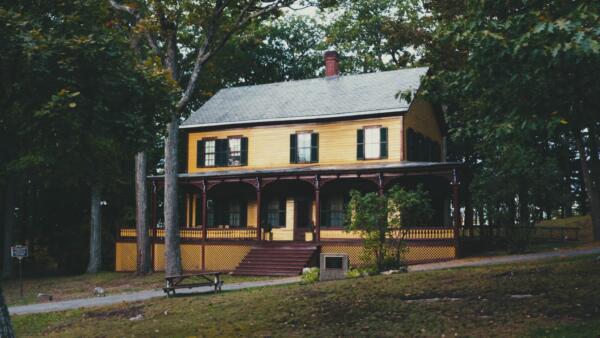

Part archives, part museums, these presidential libraries offer unusual experiences, including holograms and AI avatars.

What was the most-watched U.S. presidential debate in history? Find out this and other surprising facts about the relatively modern political tradition.
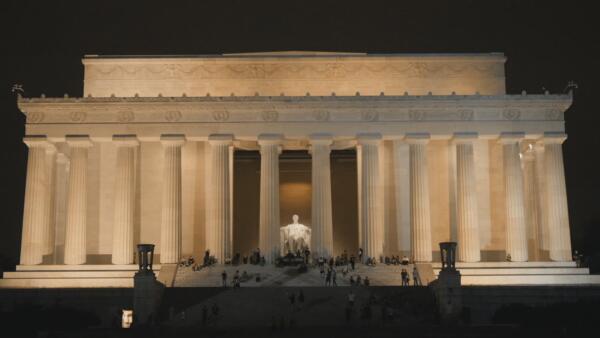

From its design and construction to its famous rooms, gardens and renovations, these books trace the history of the White House and the overlooked people who lived and worked there.


