Holidays
Holidays hold a special place in cultures around the world and each carry their own unique history, shaped by centuries of traditions and beliefs. From religious observances such as Yom Kippur and Ramadan to patriotic celebrations such as July Fourth and Presidents' Day, explore the stories behind the holidays.

Start Here

Lent, the 46-day period of prayer and fasting that leads up to Easter, was once a preparatory period for new converts.

Ramadan is a holy month of fasting, introspection and prayer.

The celebration of Irish culture takes place annually on March 17. Learn about the origins and history of St. Patrick’s Day in this article.

Easter celebrates the belief in the resurrection of Jesus Christ. Learn about the Christian holiday’s history, meaning and traditions.
Lunar New Year
The Chinese New Year
The 15-day-long Chinese New Year celebration originated from an ancient Chinese legend of the monster Nian.

3 Holy Spring Holidays


Explore related articles

Anti-Vietnam War protests and other counterculture movements from the 1960s heavily influenced the first Earth Day on April 22, 1970.

Earth Day was established in 1970 and has become a worldwide holiday celebrated by over 1 billion people. See key highlights in the movement.

The annual Mexican holiday marks the anniversary of the Battle of Puebla.

Dim sum for Christmas? The experiences of immigrants in New York explain how the tradition began.

Cinco de Mayo celebrates Mexico’s victory over France on May 5, 1862.

Local celebrations include parades and reenactments as well as hatchet burials, horse races and barbecue competitions.

Earth Day was founded in 1970 as a day of education about environmental issues.
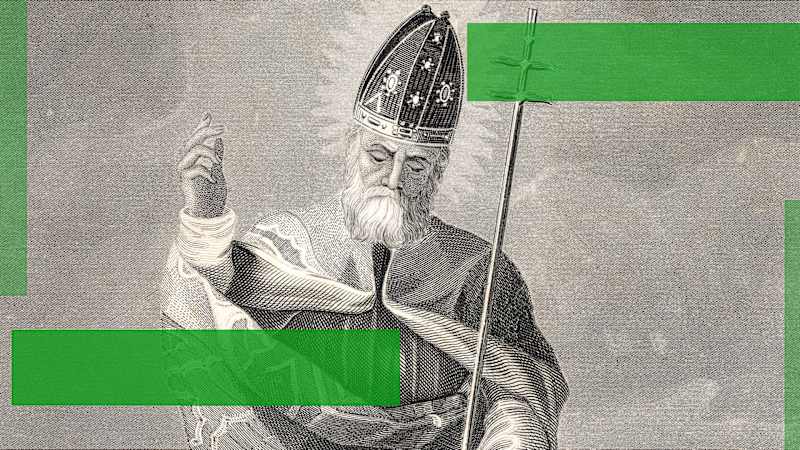
St. Patrick is not a canonized saint, despite his well-known honorific. Still, he is known as the patron saint of Ireland and Nigeria.
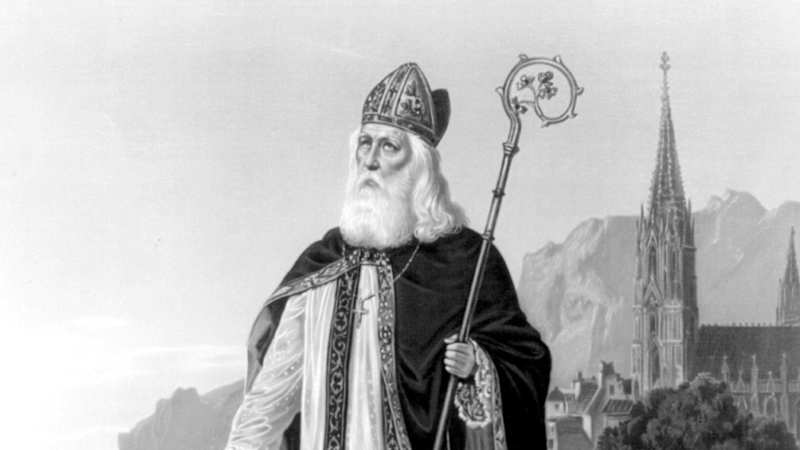
St. Patrick is credited with spreading Christianity in Ireland. Learn about who he was, where he was born and the holiday honoring him.
The March 17 holiday is steeped in myths. These St. Patrick’s Day facts share the fun, surprising truth about the celebration.
St. Patrick’s Day is known for shamrocks, corned beef and music. Learn more about famous Irish and American traditions and symbols.
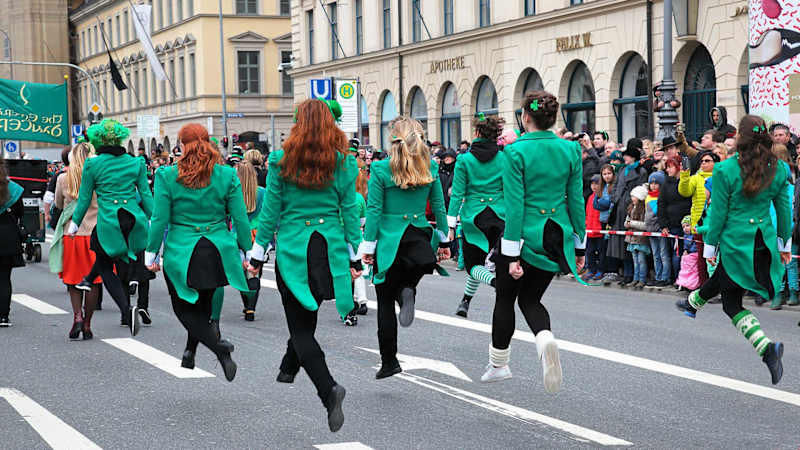
The color is an homage to leprechauns and Irish defiance.

St. Patrick’s Day in Ireland was traditionally a more solemn occasion—until Americans got involved.

There are many myths about St. Patrick’s Day, including that Ireland’s patron saint was not truly Irish nor did he rid the nation of snakes.
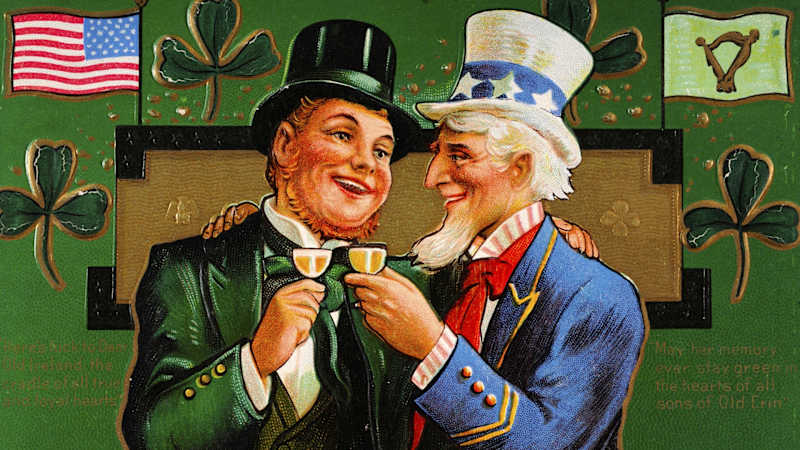
Despite the holiday’s Irish origins, many St. Patrick’s Day traditions were born in the United States. Learn why we celebrate in America.

The celebration of Irish culture takes place annually on March 17. Learn about the origins and history of St. Patrick’s Day in this article.