Hispanic History
America’s Hispanic and Latino history is rich, diverse and long, with immigrants, refugees and Spanish-speaking or Indigenous people living in the United States since long before the nation was established. From early Spanish colonialism to civil and worker rights laws to famous firsts, explore notable figures and events in Hispanic history.
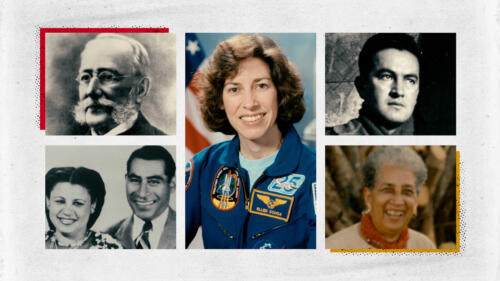

Start Here

From early Spanish colonialism to civil and worker rights laws to famous firsts to Supreme Court decisions on immigration, see a timeline of notable events in U.S Hispanic and Latinx history.

From entertainment devices to lifesaving medical technologies, Latino inventors have advanced humankind through their contributions.

Chicano activists took on a name that had long been a racial slur—and wore it with pride.

The effort to coin a term to describe a wildly diverse group of Americans has long stirred controversy.
Puerto Rico
Here's Why Puerto Rico Is Part of the U.S. - Sort Of
Learn about Puerto Rico's complex history, starting with its Spanish rule to becoming a U.S. territory. See how its eventual commonwealth status, the 2006 recession, and 2017's Hurricane Maria have caused political and economic upheaval.

3 Trailblazing Hispanic and Latino Activists


Explore All Related Topics


Cesar Chavez, labor leader, civil rights activist and founder of the National Farm Workers Association, dedicated his life to the rights of farm workers.

As a U.S. territory, Puerto Rico is neither a state nor an independent country—and politics over its status remain complicated.

Hispanic Heritage Month, from September 15 to October 15, celebrates the history and culture of the U.S. Latinx and Hispanic communities.

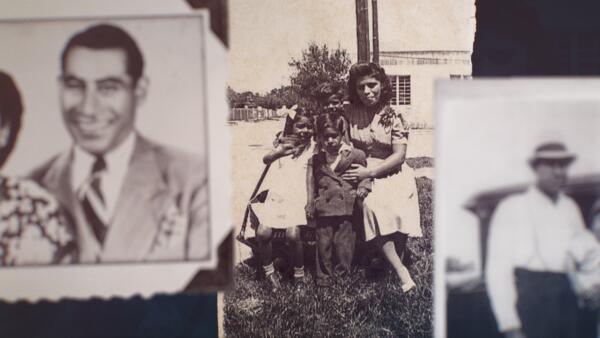

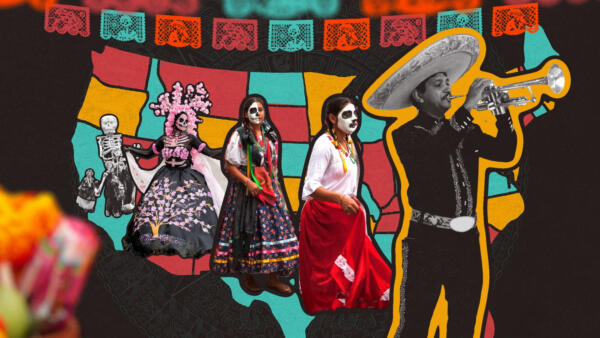
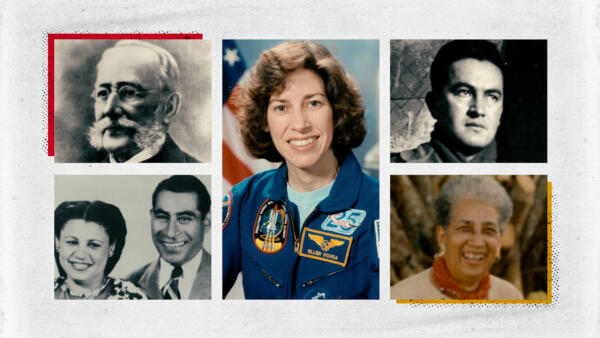

These sites honor Hispanic Americans’ enduring legacy.

From entertainment devices to lifesaving medical technologies, Latino inventors have advanced humankind through their contributions.

Mexico’s movie industry became a cultural powerhouse in the 1930s.

The Borinqueneers, the U.S. military's only all-Hispanic unit, saw their sacrifices overshadowed by a trumped-up court martial.

Classic Westerns have cemented the image of cowboys as white Americans, but the first wave of horse-riding cow wranglers in North America were Indigenous Mesoamerican men.

They had a profound effect on the massive world of American food production.

Together with Cesar Chavez, she spotlighted the ongoing civil and human rights struggles of farm workers.