1920s
During the 1920s (often referred to as the Roaring Twenties), a surging economy in the United States created an era of mass consumerism, as Jazz-Age flappers flouted Prohibition laws and the Harlem Renaissance redefined arts and culture.


Start Here

After enduring dark times, Americans were eager for a comeback.

The Tulsa Race Massacre of 1921 destroyed Black Wall Street in Greenwood, Tulsa.

During Prohibition, gay nightlife and culture reached new heights—at least temporarily.

Young women with short hairstyles, cigarettes dangling from their painted lips, dancing to a live jazz band, explored new-found freedoms.
How Prohibition Created the Mafia
How Prohibition Created the Mafia
Starting in January 1920, the United States became a dry country. Prohibition banned the manufacture and sale of alcohol in an attempt to civilize unruly Americans (and some other reasons). The experiment had many unintended consequences, but most dangerously, it fostered the rise of organized crime and the American Mafia.

3 Artistic Movements of the 1920s


Explore All Related Topics

Decades after the start of Prohibition, here are 10 facts about America’s nearly 14-year “noble experiment" found in the 18th Amendment.

These writers were part of the larger cultural movement centered in New York City’s Harlem neighborhood and offered complex portraits of Black life in America.

The Harlem Renaissance marked a golden age in Black culture.

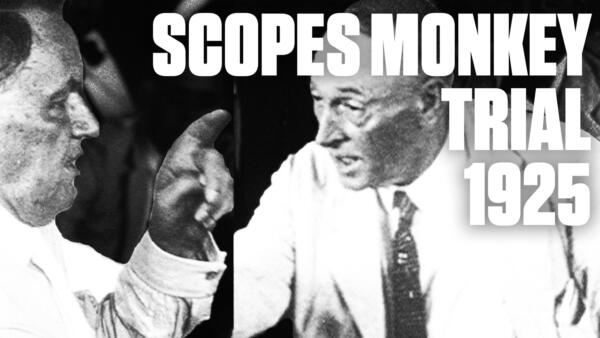
One hundred years ago, a misdemeanor trial in the town of Dayton, Tennessee captured the world's attention as a high school teacher stood accused of violating a state law that prohibited teaching evolution.

The Scopes Trial, or the Scopes Monkey Trial, was a 1925 trial in which Clarence Darrow and William Jennings Bryan debated the teaching of evolution in schools.

Look back at America’s surprising reaction to the end of Prohibition.

The Prohibition Era began in 1920 when the 18th Amendment outlawed liquor sales per the Volstead Act, but in 1932 the 21st Amendment ended Prohibition.

Young women with short hairstyles, cigarettes dangling from their painted lips, dancing to a live jazz band, explored new-found freedoms.

A burst of prosperity and freedom during the Prohibition era.

Flappers were young, independent American women who became a cultural force in the 1920s as they challenged barriers to economic, political and sexual freedom.

Not even Albert Einstein passed the Edison test.

Historic images of Tulsa's Greenwood district reveal how the 1921 mob attack devastated the nation's Black cultural and economic mecca.


