Rudy Giuliani’s Personal Life
A grandson of Italian immigrants, Rudolph “Rudy” William Giuliani was born on May 28, 1944, in the New York City borough of Brooklyn, to Harold and Helen Giuliani. In 1951, his family moved to Garden City, Long Island, where he attended a local parochial school. He then continued his Catholic education at Bishop Loughlin Memorial High School in Brooklyn and at Manhattan College in the Bronx, from which he received a bachelor’s degree in political science in 1965. Three years later, Giuliani graduated magna cum laude from New York University's School of Law.
He married his first wife, Regina Peruggi, in 1968, but had the marriage annulled in 1982 after he learned they were second cousins. He married Donna Hanover in 1984; the couple divorced in 2002.
Rudy Giuliani as Mayor of New York
Giuliani resigned from his prosecutorial position in January 1989 and began campaigning for mayor of New York City. Despite narrowly losing that year to Manhattan Borough President David Dinkins, who was sworn in as the city’s first Black mayor, he eked out a victory in a 1993 rematch. This marked the first time a Republican had been elected to the office since 1965. “As of this moment, the expressions of cynicism—New York is not governable, New York is not manageable, New York is not worth it—all of these I declare politically incorrect,” Giuliani, who ran on a law-and-order platform, said in his inaugural speech. He would go on to easily win reelection in 1997.
Though crime was already falling in the second half of Dinkins’ tenure, that trend rapidly accelerated under Giuliani. During his eight years in office, violent crime was cut roughly in half and murders fell an astounding 67 percent. A believer in the so-called “broken windows” theory, which holds that minor signs of disorder can lead to an increase in serious crimes, Giuliani also cracked down on graffiti, public urination, X-rated theaters, sidewalk vending, subway turnstile jumping and even jaywalking. Moreover, he implemented a computer-based crime measurement system called CompStat that was later replicated by police departments nationwide. He supported gay rights, gun control and abortion rights while he was mayor.
Critics, meanwhile, accused the mayor of aggravating race relations, valuing loyalty over competence in his subordinates, engaging in self-promotion and supporting questionable policing tactics. Tensions rose after four white plainclothes detectives gunned down unarmed African immigrant Amadou Diallo in March 1999. Giuliani also stirred up controversy by dismantling an affirmative action program for minority- and women-owned contractors, trimming hundreds of thousands of New Yorkers from the welfare rolls and trying to defund the Brooklyn Museum because of an exhibit he considered anti-Catholic.
Rudy Giuliani and the September 11 Attacks
In 2000, Giuliani ran for the U.S. Senate against then-first lady Hillary Rodham Clinton. He withdrew that May, however, after being diagnosed with prostate cancer and after reports surfaced that he was having an extramarital affair with drug company executive Judith Nathan. He wed Nathan in 2003—it was the third marriage for both—following an acrimonious divorce from his second wife, with whom he had two children, Caroline and Andrew Giuliani.
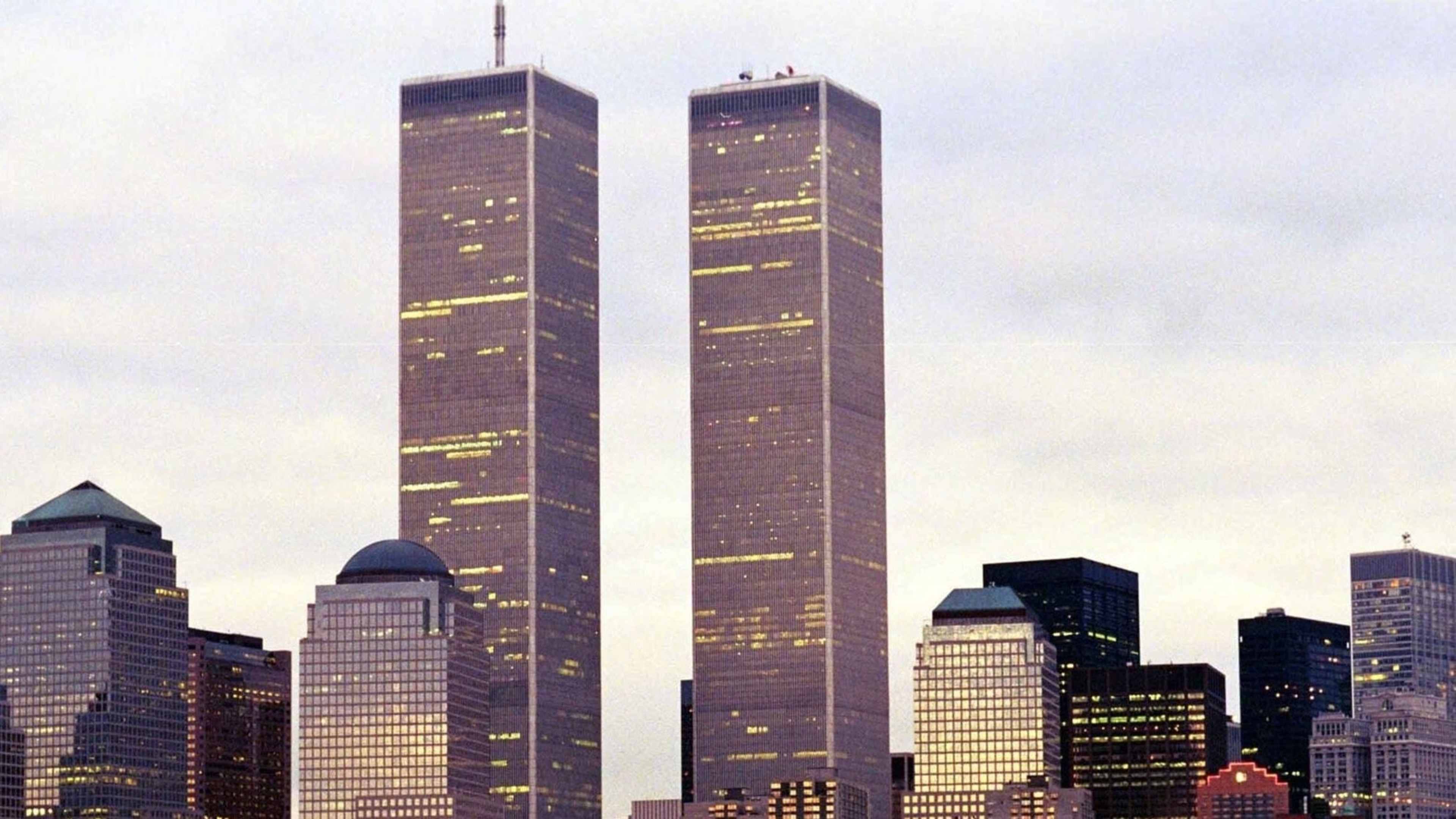
On September 11, 2001, al-Qaida terrorists killed nearly 3,000 people by flying hijacked planes into the World Trade Center’s two towers. Giuliani immediately took charge of rescue and recovery efforts, acting decisively and with poise under pressure to calm the city. In appreciation of those leadership efforts, media personalities dubbed him “America’s Mayor,” Time magazine named him Person of the Year and Queen Elizabeth II awarded him an honorary knighthood.
Barred by term limits from running for a third term, Giuliani actively sought an unprecedented extension of at least three months. State and city legislators refused to consider his request, however, and on January 1, 2002, billionaire businessman Michael Bloomberg replaced him as mayor. Giuliani’s book, Leadership, came out that year, and he founded a security consulting firm called Giuliani Partners. On March 8, 2002, he received the Ronald Reagan Presidential Freedom Award from Nancy Reagan.
Rudy Giuliani, Presidential Candidate
In February 2007, Giuliani announced that he was campaigning for the Republican nomination for president in the 2008 election against Mitt Romney and John McCain. After an early lead, during which his response to the 9/11 attacks was lauded on the campaign trail, it became clear that his more liberal views on issues like abortion and immigration were unpopular with the Republican Party. He came in third in the Florida primaries, a death knell for his campaign. He dropped out in January 2008 to endorse John McCain.
Rudy Giuliani, Attorney to Donald Trump
President Donald Trump’s transition team hired Giuliani as an adviser in January 2017, and he was hired as one of Trump’s personal lawyers in April 2018.
As Trump’s personal attorney, Giuliani became a key figure in a formal impeachment inquiry into President Trump that was announced by House Speaker Nancy Pelosi on September 24, 2019. He played a central role in efforts to promote Trump’s claim that he won the 2020 election. After Trump left office following his first term, Giuliani faced multiple indictments and a series of defamation lawsuits. He was officially disbarred in New York and Washington, D.C. in 2024.